


- Productos
- Parapentes
- Adam Spot 2
 JASPER
 OPAL
 YANG CHEN
Adam Spot 2
EN/LTF-A
The ADAM SPOT 2 is an accuracy machine designed with one goal: hitting 0 cm.
Talla
m²
| S | M | ML |
| 22.1 | 25 | 27.6 |
Especificaciones
| S | M | ML | |
|---|---|---|---|
| Factor de escala lineal | 0.94 | 1 | 1.05 |
| Área proyectada (m²) | 18.6 | 21 | 23.2 |
| Área (m²) | 22.1 | 25 | 27.6 |
| Peso de la vela (kg) | 4 | 4.5 | 5.1 |
| Número de líneas principales (A/B/C/D) | 3/4/3/1 | ||
| Cajones | 34 | ||
| Alargamiento real | 4.5 | ||
| Alargamiento proyectado | 3.2 | ||
| Cuerda media (m) | 2.8 | 3 | 3.1 |
| Envergadura real (m) | 10 | 10.6 | 11.1 |
| Rango de peso en vuelo (kg) | 55-80 | 70-90 | 80-100 |
| Homologación (EN/LTF) | A* | A | A* |
Descripción
Developed specifically for spot landing, the ADAM SPOT 2 combines forgiving EN/LTF-A behaviour with control tailored to accuracy flying. Developed with World Champion Yang Chen, it gives pilots more ways to manage speed and descent, keeping their focus on the target.
Compared with the original ADAM SPOT, it has a slower trim speed, making it easier to slow down and drop straight down onto the pad. Light brake pressure, longer brake travel and excellent low-speed stability give pilots room for fine adjustments on final approach.
The biggest innovation is the addition of D-handles on the rear risers. Used together with the brakes, they provide another way to reduce speed and lose height while maintaining stable pitch and roll. They also reduce arm fatigue on final approach, helping pilots stay focused through those last crucial metres.
A four-line system and winglets support the wing’s stable low-speed behaviour. Everything works together for one goal: right on target.


Especificaciones técnicas
Cord Cut Billow

Winglets
D-Handles
Excelente Control

Seguridad con ojos bien abiertos
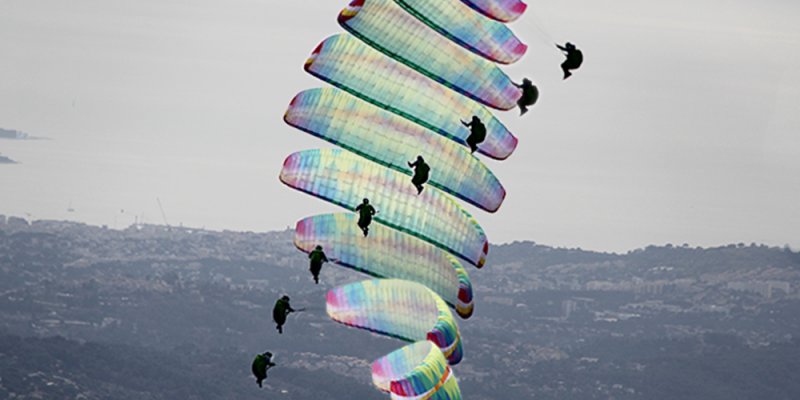
Comportamiento en barrena impecable

Predictable Deep Stall
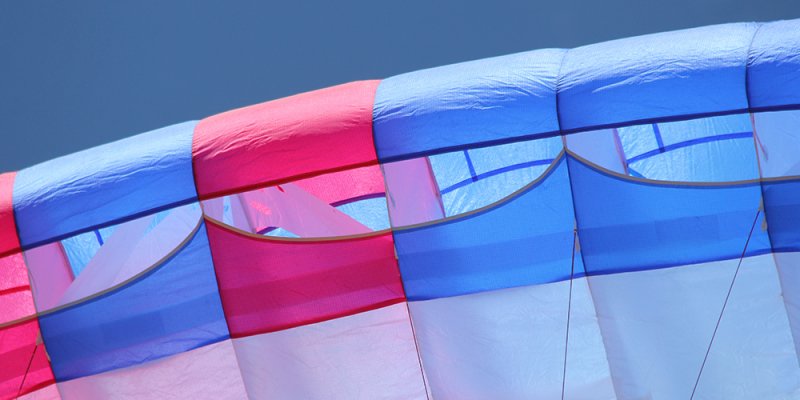
Aberturas de cajón elípticas
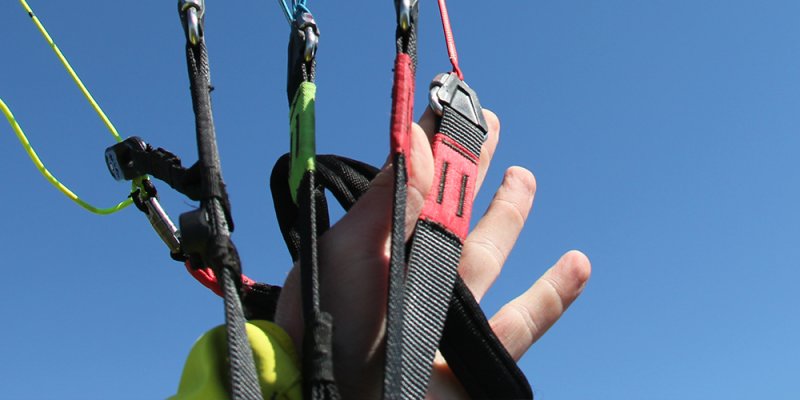
Banda baby A
Cierres Snap lock
Four risers
Notas de Bruce
Accuracy flying demands careful management of speed, descent and direction right up to touchdown. Our accuracy specialist Shun Hanada led the development of the ADAM SPOT 2, working closely with World Champion Yang Chen to refine its handling.
We reduced the trim speed and adjusted the brake settings to produce a more stable descent while keeping brake pressure light. The longer brake travel works with the four-line system to give excellent control at low speeds and predictable stall behaviour for the final moments before touchdown.
The direction of the brake pull also makes a difference. Pulling outward produces a stable descent and reduces speed; pulling inward gives quicker turns. This gives pilots scope to adapt their inputs throughout the approach.
The new D-handles expand these options further. Used together with the brakes, they change the angle of attack of the whole wing, allowing pilots to reduce speed and lose height without relying on brake input alone to approach the stall. They also help stabilise pitch and roll, with a feel similar to parakite control or rear-riser control on a two-liner.
This combined control reduces arm fatigue on final approach, helping pilots continue managing their speed until the last moment while concentrating on the target. Pilots who prefer to use the brakes alone can easily remove the D-handles.
The winglets contribute to stability both during acceleration and at low speeds, helping pilots keep their attention where it matters: on the spot.
Público
From your first accuracy competition to the world podium, the ADAM SPOT 2 is dedicated to spot-landing. It combines forgiving EN/LTF-A behaviour with the slow-speed handling and range of control options needed to develop your accuracy skills.
El paquete incluye
Parapente / Cinta de compresión / Bolsa de bandas / Bolsa interior / Mochila / Kit de reparaciones / BGD stickers / BGD gift / Manual cardMateriales
| Extradós | Porcher Skytex 38g/m² |
|---|---|
| Intradós | MJ Tex MJ40 (40g/m²) |
| Winglet | MJ Tex MJ40 (40g/m²) |
| Estructura interna | Porcher Skytex hard finish 40g/m² |
| Refuerzo de morro | Plastic wire 2.4mm / 2.7mm |
| Bandas | 20mm Kevlar / nylon webbing |
| Poleas | Sprenger/Ronstan P18 |
| Líneas superiores | Liros DSL |
| Líneas intermedias | Liros TSL |
| Líneas inferiores | Liros TSL |
| Frenos | Liros DSL |
* Pendiente de certificación